Waste removal Broadwalk Shopping Centre to homes
Posted on 30/06/2026

Waste removal Broadwalk Shopping Centre to homes: a practical guide for smooth, safe collections
If you are organising waste removal Broadwalk Shopping Centre to homes, you are probably trying to solve a very ordinary but very real problem: how to move unwanted items out of one place without turning the whole day into a hassle. Maybe it is stock, refurbishment debris, office clutter, household overflow, or a mix of things that have built up faster than anyone meant to. The good news? With the right plan, the process can be tidy, quick, and surprisingly manageable.
In this guide, we will break down how it works, what to watch for, and how to make sensible choices whether you are handling a one-off clear-out or a repeat collection route. We will also cover practical compliance points, common mistakes, and the most useful service options for homes in and around Edgware. No fluff. Just the stuff that helps.
Table of Contents
- Why this kind of waste removal matters
- How the collection process works
- Key benefits and practical advantages
- Who needs this service and when it makes sense
- Step-by-step guidance
- Expert tips for better results
- Common mistakes to avoid
- Tools, resources and recommendations
- Law, compliance, standards, and best practice
- Options and method comparison
- Case study / real-world example
- Practical checklist
- Conclusion
- Frequently asked questions
Why Waste removal Broadwalk Shopping Centre to homes Matters
At first glance, this may sound like a simple transfer job. Waste out, home clear, everyone happy. But in reality, moving waste from a busy commercial area to homes can create a few awkward pinch points: access, timing, sorting, lifting, parking, and the basic question of what happens to the material once it leaves the site.
That matters because waste is not just "stuff to get rid of". Some items can be reused, some should be recycled, and some need careful handling. A sofa that has seen better days may still be reusable after a good clean. Packaging, cardboard, and certain light fixtures may be recyclable. Broken fittings, contaminated materials, or mixed rubble usually need a different route. If you get that wrong, you create extra trips, extra cost, and more stress than necessary.
There is also the practical side for homeowners. Homes are lived-in spaces. People have school runs, work calls, narrow hallways, and neighbours who would rather not hear a van double-parked outside for an hour. So a well-planned waste removal job does more than clear clutter. It respects the home environment.
In short: good waste removal is really about control. Control over time, space, safety, and final disposal. And if you have ever had to step over a pile of boxboard at 7:30 on a Tuesday morning, you know why that is worth doing properly.
If you want to understand the wider service context, the services overview page is a useful place to see how different clearance and collection options fit together.
How Waste removal Broadwalk Shopping Centre to homes Works
The exact process depends on what is being removed, how much there is, and whether the collection is part of a move, a refurbishment, a shop clear-out, or a general household transfer. Still, the basic workflow tends to follow the same pattern.
1. Identify what needs to go
Start with a proper sort. Separate reusable items, recyclables, general waste, and anything that may need special handling. This is where a lot of people lose time. They leave everything in one heap and decide later. That usually means the later bit becomes a bigger job than expected.
2. Check access and loading conditions
Broadwalk Shopping Centre can be busy, and homes can be fiddly in their own way. Stairs, lifts, timed access, narrow pavements, gated entries, and parking restrictions all affect how efficiently a removal can happen. If you know a large item needs two people and a trolley, say so early. It saves everyone from improvising on the day.
3. Decide on the right collection method
This is where the service choice matters. For some jobs, a direct collection and loading service is best. For others, a mixed approach works better, especially if you have bulky furniture or awkward items. If the waste is mostly domestic clutter, a rubbish collection service may be the cleanest option. If you are moving mixed items from a property, a house clearance approach can be more efficient.
4. Load, separate, and document where needed
Professionals typically load items with separation in mind. This helps reduce contamination and supports recycling. Good operators also keep an eye on what is going where. If something looks like it needs a specialist route, it should be identified rather than casually bundled in with everything else. That sort of shortcut tends to come back and bite later.
5. Transfer to the right destination
Once collected, waste should be taken to the appropriate disposal or recovery route. Reuse, recycling, transfer, and disposal all serve different purposes. A sensible operator will look at what can be diverted away from landfill where possible. You can read more about that approach in the site's recycling and sustainability guidance.
6. Finish with a tidy handover
The best jobs end with the site left clean, the home usable again, and the client not having to ask, "Is that everything?" If the answer is yes, you should be able to see it. Simple as that.
Key Benefits and Practical Advantages
There are several reasons people choose an organised waste removal service rather than trying to deal with it piecemeal. Some are obvious. Some only become obvious after the first failed attempt with a borrowed car and a too-small boot.
- Less disruption: A structured collection is faster than multiple DIY trips.
- Better safety: Heavy lifting, sharp edges, and awkward items are handled more carefully.
- Cleaner sorting: Waste can be separated for reuse, recycling, or disposal.
- More predictable timing: You know when the job starts and when it should be finished.
- Less stress on the home: Hallways, staircases, and door frames are less likely to get scuffed.
- Better for mixed loads: Old furniture, packaging, broken household items, and light refurbishment waste can often be dealt with together.
There is also a financial angle. If waste is removed in a single planned visit, you may avoid multiple small disruptions that cost more in time than they first appear to. To be fair, time is usually the hidden expense people forget to count.
For example, a family clearing out a dining room before redecorating might think they only need to get rid of a few items. Then the spare chairs appear, the old curtain pole comes down, the packaging pile grows, and suddenly the room is unusable. A proper collection solves all of that in one go.
If the load includes older furniture, you may also want to look at furniture disposal options in Edgware, especially if items are too worn for reuse but still need careful handling.
Who This Is For and When It Makes Sense
This kind of service is not just for one type of customer. In practice, it suits a surprising range of situations.
Homeowners and tenants
If you are moving, downsizing, or just finally dealing with the loft, the service can take a lot of pressure off. Homes collect things. That is just life. A few boxes become a stack, the stack becomes a room, and suddenly you are negotiating with a broken lamp from 2018.
Landlords and managing agents
Tenanted properties often need swift turnarounds. After a tenancy ends, there may be left-behind belongings, unwanted white goods, or general mess that needs handling before the next occupant arrives.
Shop and business operators
Where a commercial site feeds household deliveries, transfers, or stock movement, waste can build up quickly. If you are balancing customers, deliveries, and staff movement, the last thing you need is clutter in the wrong place.
Families doing seasonal clears
Spring clears, post-renovation tidy-ups, and pre-winter garage reorganising jobs all tend to generate more waste than planned. If the volume is greater than a normal bin or council collection can comfortably handle, an arranged collection makes sense.
Anyone dealing with bulky or awkward items
Mattresses, wardrobes, shelving, mixed boxes, broken appliances, and small renovation offcuts can be a headache. A well-planned removal job is usually simpler than trying to dismantle everything yourself on a Sunday afternoon when the DIY mood has already gone missing.
For building-related jobs, a dedicated builders waste clearance service may be more suitable than a general household collection.
Step-by-Step Guidance
If you want the smoothest possible experience, work through the process in order. It sounds basic, but a lot of the stress comes from doing things in the wrong sequence.
- Walk the site first. Look at the waste, the access route, and any items that may need disassembly.
- Separate items into rough groups. Keep recyclables, reusable items, and general waste apart where possible.
- Measure bulky pieces. Doorways and staircases matter more than people expect. A wardrobe that fits "in theory" can become a problem in practice.
- Decide what needs urgent removal. Anything blocking access, creating a safety risk, or affecting daily use of the home should come first.
- Check what service type suits the load. A small load may be fine under a simple collection, while a full property clear-out may need a fuller clearance service.
- Book a collection slot that matches the property's rhythm. If residents are around, aim for a quieter time. If the home is empty, you may have more flexibility.
- Prepare the area before arrival. Clear hallways, unlock gates, and make sure the access route is safe.
- After the collection, inspect the space. Check corners, cupboards, and awkward spots. It is amazing how often one last bag appears from behind a door.
If you are dealing with a loft or garage as part of the same job, you may find it helpful to review loft clearance or garage clearance options. Those spaces tend to hide more than they advertise.
Expert Tips for Better Results
These are the small habits that make a big difference.
- Photograph the load before booking. It helps avoid confusion about size and type.
- Keep access clear. Even a two-minute delay at the front door can slow the whole job down.
- Do a quick safety sweep. Loose nails, broken glass, and exposed edges deserve attention before lifting starts.
- Be honest about mixed waste. If a job includes both household junk and heavier debris, say so. The plan should match the reality.
- Use labelled bags or piles. That tiny bit of order helps a lot when the collection starts.
- Ask what happens to recyclable items. A good operator should be able to explain the process in plain English.
A small but useful tip: keep a "maybe" pile. People tend to decide too quickly about sentimental items, then regret it later. Not everything needs to be saved, of course, but there is no shame in giving yourself an extra day to think.
If you are weighing service levels, a broader waste removal service in Edgware can sometimes be a better fit than a one-off generic collection, especially where waste types vary.

Common Mistakes to Avoid
Waste removal jobs usually go wrong in the same few ways. The good news is that most of them are easy to avoid.
Leaving sorting until the last minute
This is the classic mistake. It turns a straightforward job into a scramble, and it makes it harder to separate recyclable material from general waste.
Underestimating access issues
A lot of people book based on volume alone and forget the practical details. Tight turns, lift restrictions, and parking challenges all affect how the job runs.
Mixing hazardous and non-hazardous items
Not everything can be handled the same way. If you are unsure whether an item needs specialist care, ask before it is collected. Better to pause and check than to guess.
Forgetting about resident schedules
In homes, timing matters. Sleeping children, remote work calls, carers, or neighbours with limited parking tolerance all influence the best collection window.

Booking the wrong type of service
A simple rubbish pickup is not always enough. Likewise, a full clearance service can be overkill for a few bulky items. Getting the match right avoids both frustration and waste.
Ignoring insurance and handling standards
If the job involves heavy lifting or awkward access, make sure the provider takes safety seriously. You can review the site's insurance and safety information to understand the expected approach.
Truth be told, most headaches come from trying to save ten minutes and losing an hour. Happens all the time.
Tools, Resources and Recommendations
You do not need a truck full of specialist kit to manage a sensible waste removal job, but a few practical tools can make things smoother.
- Heavy-duty gloves for safe handling of rough items
- Labels or marker pens for separating keep, donate, recycle, and remove
- Strong bin bags or rubble sacks for loose smaller waste
- A tape measure for bulky furniture or awkward access points
- Basic screwdriver or hex key set for dismantling simple flat-pack items
- Protective floor coverings if items must pass through clean rooms
- Phone camera for documenting the load before and after
On the service side, two useful places to start are pricing and quotes and about the company. The first helps you understand how jobs are estimated. The second helps you see the values and approach behind the service.
If you are interested in how payment is handled, the payment and security page is worth a look too, especially if you are comparing providers for a larger or repeat collection.
Law, Compliance, Standards, and Best Practice
Waste handling in the UK is not something to treat casually. You do not need to become a legal expert, but you should know the basic principles.
In everyday terms, the main expectations are simple: waste should be collected by a legitimate operator, handled responsibly, and taken to the correct destination. If material could be reused or recycled, that should be considered first. If an item is restricted, damaged, contaminated, or potentially hazardous, it needs proper handling rather than guesswork.
For homeowners, the key best practice is to keep clear records of what was removed and who took it. That helps if questions come up later. For businesses, the need is even stronger because commercial waste duties are typically more formal and documentation matters more.
There is also the environmental side. Sorting items properly is not a cosmetic extra. It reduces contamination and improves the chances that suitable waste stays out of general disposal routes.
If you are ever uncertain, ask for clarity before the collection begins. A trustworthy provider should explain:
- what can be taken
- what needs special handling
- how mixed loads are treated
- what recycling or recovery routes are used where possible
Best practice also means respecting the property itself. Clean lifting, careful navigation, and tidy loading are not luxuries. They are part of doing the job properly. A bit of professionalism goes a long way, and you can usually tell within the first five minutes whether you are dealing with it.
Options, Methods, or Comparison Table
Different jobs call for different approaches. Here is a simple comparison to help you choose.
| Method | Best for | Strengths | Limitations |
|---|---|---|---|
| Direct rubbish collection | Small to medium mixed loads | Fast, straightforward, flexible | Not ideal for full property clear-outs |
| House clearance | Whole rooms or entire homes | Handles larger volumes, good for clear-outs | May be more than you need for a few items |
| Furniture disposal | Bulky household pieces | Good for sofas, wardrobes, and similar items | Less suitable for mixed waste streams |
| Skip hire | Jobs spread over time | Useful when loading happens gradually | Needs space and can be awkward in tight access areas |
| Junk removal | General clutter and household overflow | Convenient for quick tidying jobs | May not cover specialised waste types |
For a lot of Broadwalk-to-home situations, the most practical answer is not the cheapest or the biggest option. It is the one that fits the access, volume, and timing without drama.
That is usually the sweet spot.
Case Study or Real-World Example
Here is a realistic example from a common sort of job.
A household near Broadwalk had recently finished a room refresh and ended up with more waste than expected: old shelving, packaging from new furniture, a broken bedside table, several bags of mixed clutter from the loft, and a few items that were clearly reusable but no longer wanted. The family had a working weekday schedule, so the collection had to be done in a short afternoon window.
Instead of trying to tackle it in several trips, the items were grouped before arrival: reusable items together, cardboard together, bulky furniture together, and the rest in general bags. Access was checked in advance because there was a narrow corridor and one awkward turn near the front door. That small bit of preparation made the job far easier. The collection finished without blocking the kitchen, and the room was usable again the same day.
The main lesson? A little planning turns a messy job into a manageable one. It does not need to be perfect. Just organised enough to avoid avoidable chaos.
Practical Checklist
Use this before your waste removal booking.
- Have I sorted items into keep, donate, recycle, and remove?
- Do I know which items are bulky or need disassembly?
- Is the access route clear from the waste to the exit?
- Have I checked whether parking or loading space is needed?
- Are there any fragile, sharp, or heavy items that need mention?
- Do I know whether the load is mixed household waste or something more specific?
- Have I separated anything that may need special handling?
- Is the collection time realistic for the household or building schedule?
- Have I reviewed pricing and payment expectations?
- Do I know who to contact if plans change on the day?
If you want to compare broader service options before booking, take a look at rubbish clearance in Edgware or junk removal depending on the type of load you have.
Conclusion
Waste removal Broadwalk Shopping Centre to homes is easiest when you treat it as a planned process rather than a quick lift-and-go task. Sort first, check access, match the service to the load, and keep the disposal route clean and sensible. That approach saves time, reduces hassle, and usually leaves the home in a much better state than when you started.
For local households and businesses, the real value is not just getting rid of unwanted items. It is getting space back without stress, without confusion, and without a half-finished mess hanging around for another week. And honestly, that feeling of a clear room and a cleared hallway is hard to beat.
Get a free quote today and see how much you can save.
If you are ready to take the next step, the easiest move is to speak with a local team that understands both the logistics and the care needed for homes around Edgware. A well-handled collection should leave you lighter, calmer, and quietly pleased with yourself. Which, let's face it, is a nice way to end a clean-up day.


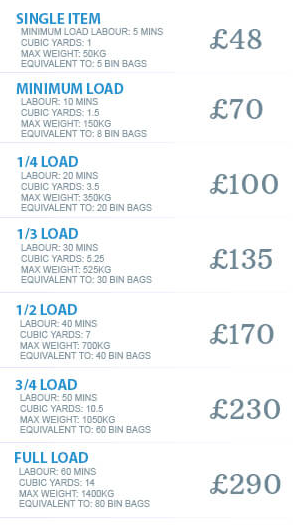
 Tipper Van - Rubbish Removal and Junk Desposal Prices in Edgware, HA8
 Luton Van - Rubbish Removal and Junk Desposal Prices in Edgware, HA8