Rubbish removal Edgware Station High Street jobs
Posted on 19/06/2026
Rubbish removal Edgware Station High Street jobs: a practical local guide for businesses, landlords, and busy households
If you are searching for Rubbish removal Edgware Station High Street jobs, chances are you need a fast, sensible way to clear waste without disrupting a busy day. That could mean a shop fitting out a unit near the station, a landlord dealing with a tenant turnover, or a homeowner trying to get rid of bulky items before the weekend. The common thread is simple: rubbish builds up, time disappears, and the job still needs doing properly.
This guide explains what the work usually involves, how the process works in practice, who it suits, and what to check before you book anyone. We will also look at common mistakes, compliance considerations, and the kind of local know-how that makes rubbish clearance around Edgware High Street feel a lot less stressful. To be fair, the difference between a smooth clearance and a messy one is often just planning.
Why Rubbish removal Edgware Station High Street jobs Matters
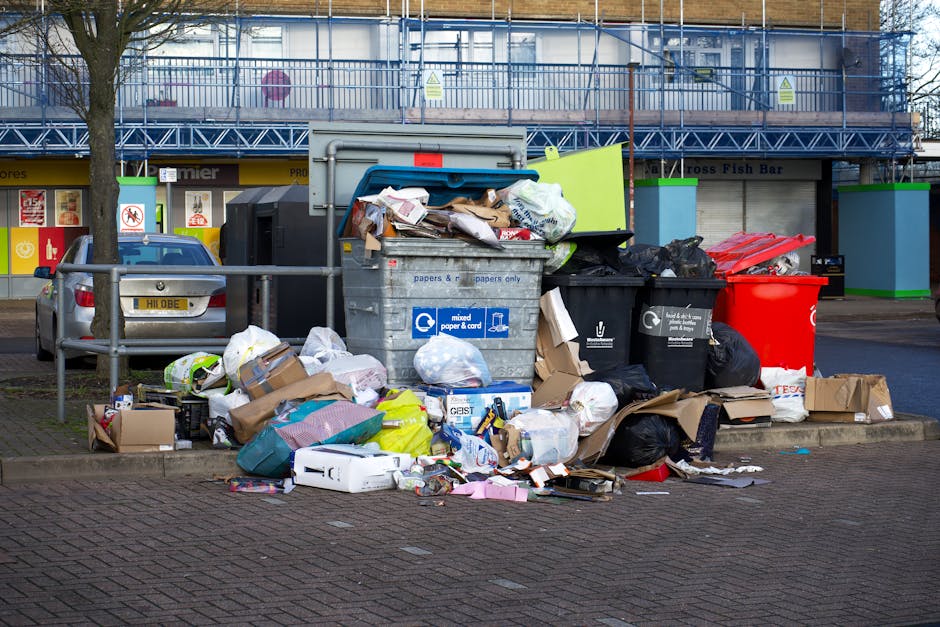
High street clearances are not the same as clearing a quiet suburban driveway. Around a station and a busy shopping street, the job has to work around foot traffic, restricted parking, delivery windows, neighbours, and the usual London pressure of "do it quickly, but do it neatly". That is especially true for rubbish removal near Edgware Station High Street jobs, where access can be tighter and timing matters more than people expect.
The practical issue is not just rubbish itself. It is the knock-on effect. A pile of boxes outside a storefront can affect first impressions. Broken furniture left in a flat can slow down a move-out. Builders' debris can block access and create a bit of chaos, which nobody wants first thing on a Monday morning.
There is also a reputational angle. For businesses, a tidy frontage sends a clear message. For landlords and agents, a cleared property makes viewings easier and helps the place feel ready sooner. For homeowners, getting rid of clutter can honestly feel like taking a weight off your shoulders. Not dramatic, but real.
Practical takeaway: on a busy high street, rubbish removal is not just a cleaning task. It is part logistics, part risk management, and part customer experience.
If you are involved in property turnover, renovation, or day-to-day trading in the area, you may also find it useful to read about the wider service options available in Edgware so you can match the job to the right type of clearance.
How Rubbish removal Edgware Station High Street jobs Works
Most local rubbish removal jobs follow a fairly straightforward pattern, though the details vary. In simple terms, someone identifies what needs removing, the load is assessed, a suitable vehicle or crew is arranged, and the waste is taken away for sorting, reuse, recycling, or disposal. Sounds simple. In practice, timing and access do the heavy lifting.
A typical high street job may involve one or more of these steps:
- site visit or photo-based estimate
- identifying what can be lifted safely and what needs special handling
- booking a time slot that avoids peak footfall or loading conflicts
- protecting floors, walls, and communal areas where necessary
- loading items efficiently so the job finishes quickly
- sorting reusable, recyclable, and non-recyclable material
- issuing paperwork or confirmation where appropriate
For some jobs, especially those tied to refits or renovation, the scope can spill into builder-type waste. In those cases, a service such as builders waste clearance in Edgware may be a better fit than a general one-off collection. That matters because the wrong service can slow everything down and, yes, cost more in the long run.
There is also a difference between a full clearance and a quick collection. A one-item pickup might be enough for a broken sofa or a few black bags. A fuller job may need multiple crew members, more time, and a proper plan for access. If you have ever watched a van block half a street while someone tries to carry a wardrobe down three flights of stairs, you will know why this matters.
Key Benefits and Practical Advantages
The obvious benefit is obvious: rubbish leaves, space returns. But there are a few more practical gains worth spelling out.
- Less disruption: professional removal reduces the stop-start chaos that often happens when people try to manage waste in bits and pieces.
- Better presentation: tidy premises help shops, offices, flats, and rental properties look cared for.
- Safer handling: awkward, heavy, or sharp items are moved with the right approach instead of a hopeful shuffle and a sore back.
- Faster turnaround: properties can be reset sooner for letting, selling, reopening, or redevelopment.
- Improved sorting: materials can be separated properly, which supports recycling and reduces avoidable waste.
- Peace of mind: there is a real relief in knowing the job is handled by someone who knows what they are doing.
For busy households, one underrated benefit is mental clarity. A garage full of old chairs and mystery boxes is not just an eyesore; it becomes background stress. Same with a loft that has been "temporarily" storing things for three years. We have all seen that kind of space. It starts as one bag, then somehow becomes a minor ecosystem.
If sustainability matters to you, it is worth choosing a provider that takes recycling seriously. You can explore more about that approach through recycling and sustainability practices, especially if you want your clearance to feel responsible as well as convenient.
Who This Is For and When It Makes Sense
This kind of rubbish removal is useful for a lot of people, and the reasons are not always dramatic. Often it is simply a matter of timing.
It makes sense if you are:
- a shop owner clearing packaging, old displays, or broken fixtures
- a landlord or letting agent preparing a property between tenancies
- a homeowner decluttering before a move, sale, or refurbishment
- a business with back-room waste building up faster than staff can manage
- a tradesperson needing a reliable way to clear post-job debris
- someone dealing with bulky items that are awkward to move alone
It is also a sensible option if the waste is mixed. For example, a flat clearance may include furniture, paper waste, a broken appliance, and a few bags of general clutter. A garage clearance may have paint tins, old tools, boxes, and garden odds and ends. Different materials, different handling. Simple enough, but easy to underestimate.
Sometimes the real question is not "do I need rubbish removal?" but "how quickly do I need this cleared, and how much hassle can I live with?" If the answer is "not much," then organised removal is usually the right call.
For property-related work in the area, some readers also find it helpful to read about house clearance in Edgware when the task is bigger than a few loose items. That distinction saves a lot of guessing.
Step-by-Step Guidance
Here is a practical way to approach a clearance job near Edgware Station and High Street without making it harder than it needs to be.
- List what needs to go. Write down the main categories: furniture, bags, fixtures, green waste, office waste, or mixed junk.
- Check access. Think about parking, stairs, loading points, lift access, and any time restrictions. A job can look easy until the van has nowhere sensible to stop.
- Separate anything sensitive. Keep documents, keys, personal items, or electrical items you want to retain in a safe place.
- Take clear photos. Good photos usually lead to better estimates and fewer misunderstandings.
- Ask about what happens next. A decent provider should explain loading, disposal, recycling, and any items that need special handling.
- Confirm timing. High street jobs often work best outside the busiest periods. Early starts can be a blessing, especially when loading space is tight.
- Prepare the route. Clear hallways, unlock gates, and make it easy for the crew to move efficiently.
- Check the finish. Once the waste is gone, look over the space carefully. It is amazing how often one chair leg or stray bag gets left behind if nobody does a final walk-through.
A small tip from experience: if the job involves bulky furniture, measure doorways and stair turns before collection day. It only takes a minute and can spare everyone a mildly awkward moment. Not a crisis, just one of those little things that turns into a bigger thing if ignored.
Expert Tips for Better Results
Good rubbish removal is mostly about preparation. The actual lifting is only part of the story.
- Book around your footfall: if the premises are on a busy stretch, avoid times when deliveries, customers, or school runs make things cramped.
- Group similar waste together: mixed piles take longer to sort. Separate what you can.
- Keep a clear path: a clear corridor or staircase speeds things up and reduces damage risk.
- Flag awkward items early: fridges, mattresses, glass, and heavy gym equipment are better discussed upfront.
- Think in loading order: if some items need to come out first, place them nearest access.
- Ask about recycling before the day: it helps set expectations and keeps the process transparent.
If you are managing a business unit, it can also help to do a quick mini-audit before the clearance. Ask: what is rubbish, what is reusable, and what is actually stored but not needed? That distinction saves money and avoids chucking out items that still have value. Happens more often than you'd think.
For office-based work, have a look at office clearance in Edgware if desks, chairs, archive boxes, or old tech are part of the job. It is a much neater fit for workplace turnover than a generic one-size-fits-all approach.

Common Mistakes to Avoid
Here is where a lot of people trip up. Not badly, usually, but enough to create delays or extra cost.
- Underestimating volume: waste always looks smaller in a corner than it does once the crew starts moving it.
- Leaving access planning too late: parking issues can turn a short job into a frustrating one.
- Mixing hazardous items in with general waste: certain materials need careful handling and cannot just be bundled together.
- Not confirming the scope: if you want everything removed, say so clearly.
- Choosing only on price: cheapest is not always best, especially if the job is awkward or time-sensitive.
- Forgetting residents or neighbours: on a high street or shared building, courtesy matters more than people admit.
One common error is assuming every clearance company works the same way. They do not. Some are stronger on mixed household waste, some on commercial clear-outs, some on builders' debris, and some on garden material. It is worth matching the job properly rather than hoping it sorts itself out. Spoiler: it usually does not.
Tools, Resources and Recommendations
You do not need a van, a warehouse of equipment, or a complicated spreadsheet to get this right. But a few simple tools and habits help a lot.
- Phone camera: use it to document the site, the waste, and any access points.
- Measuring tape: useful for furniture, appliances, and tight stairways.
- Basic labels or masking tape: ideal for marking items to keep, move, or dispose of.
- Gloves and sturdy footwear: if you are sorting things before collection, safety matters.
- Bin bags or containers: good for keeping loose items tidy before the crew arrives.
For households with mixed clutter, a more focused service can make all the difference. You might need furniture disposal in Edgware for bulky pieces, or junk removal in Edgware when the job is more of a general clear-out. If the waste is mostly loose household material, rubbish clearance in Edgware is usually the cleaner match.
And if you are dealing with a large domestic reset, loft clearance in Edgware and garage clearance in Edgware are worth considering separately. Those spaces tend to hide more stuff than anyone remembers. Funny how that works.
Law, Compliance, Standards, or Best Practice
For rubbish removal in the UK, the safest approach is to treat waste handling seriously, even when the job seems small. You do not need to become a compliance expert, but you should expect the provider to work responsibly and to be able to explain what happens to the waste.
Best practice usually includes:
- careful separation of reusable, recyclable, and non-recyclable materials
- safe handling of heavy or awkward items
- special treatment for items that need it, such as certain electrical goods
- clear communication about access, timing, and collection limits
- appropriate documentation or confirmation where relevant
If you are a landlord, business owner, or managing agent, it is especially sensible to keep records of what was cleared and when. Not because every job becomes a legal puzzle, but because good records prevent confusion later. A short paper trail can save a very long email chain. And nobody wants that.
Safety should also be part of the conversation. If a clearance involves stairs, sharp debris, or heavy lifting, it is reasonable to expect proper handling procedures and insurance awareness. You can review more about that kind of approach on insurance and safety information before you book.
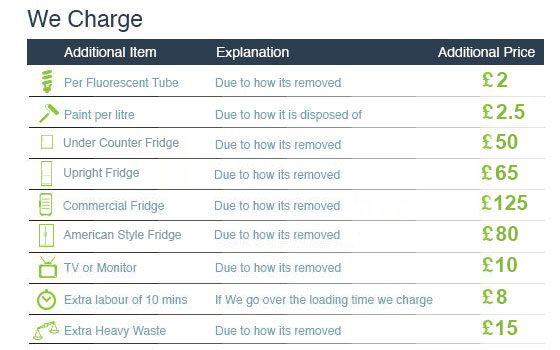
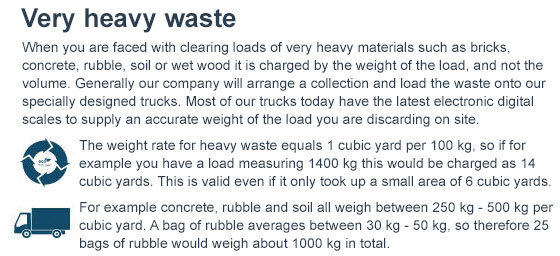
Finally, if you are weighing costs, it helps to understand how pricing is usually built. Volume, weight, access, labour, and waste type all influence the final figure. For a clearer picture, take a look at pricing and quotes guidance. That way you are comparing like with like, rather than comparing apples with a crate of garden cuttings.
Options, Methods, or Comparison Table
There are several ways to handle waste around Edgware Station and the High Street. The right choice depends on time, access, volume, and how hands-on you want to be.
| Method | Best for | Strengths | Trade-offs |
|---|---|---|---|
| Man and van style clearance | Mixed household waste, bulky items, quick clear-outs | Flexible, fast, convenient | May not suit very large volumes |
| Skip hire | Longer projects, renovation waste, ongoing loading | Good for repeated disposal over time | Needs space and can be less convenient on busy streets |
| Targeted collection | Single item or small load | Simple and efficient | Not ideal for mixed or heavy clearances |
| Specialist clearance | Office, builders, loft, garage, or garden waste | Matched to the job type | Requires clearer planning and scope |
If you are unsure, think about the shape of the job rather than the label. A small office clearance may be easier than a large flat clearance. A skip may look cheaper at first glance, but if parking is awkward and the waste is mixed, a collection service may be the calmer option. Which one is more practical, not just cheaper?
For outdoor or seasonal waste, garden waste removal in Edgware can be the cleanest fit. For household items tied to a move or inheritance matter, house clearance in Edgware may be the better route.
Case Study or Real-World Example
Imagine a small independent business near Edgware Station preparing to refresh its front room and stock area. Over time, old shelving, damaged packaging, redundant display materials, and a few bulky items have filled the back space. Nothing dramatic, but enough to make the place feel cramped and a little tired.
The owner spends half a day moving things around and realises the rubbish is now the thing stopping progress. Instead of trying to squeeze it all into the week's normal routine, they book a clearance with a clear brief: remove the waste, protect the entry route, and work around a narrow loading window.
The result is not just a cleared back room. The whole unit feels reset. Staff move more easily, customers see a tidier frontage, and the business can get on with the refresh without tripping over old stock boxes. A simple job, but with a surprisingly big knock-on effect.
That is the real value of good rubbish removal around a busy local area. It is not only about waste. It is about momentum. You get the space back, but also the sense that things are moving again.
Practical Checklist
Use this checklist before your clearance day. It is boring in the best possible way.
- List all items that need removing
- Separate anything you want to keep
- Take photos of the waste and access points
- Check for stairs, lifts, gates, and tight corners
- Confirm parking or loading arrangements
- Identify any awkward, heavy, or fragile items
- Decide whether the job is household, office, garden, or builders' waste
- Ask how recycling and sorting will be handled
- Make sure hallways and routes are clear
- Do a final walk-through once the job is complete
If the job is time-sensitive, do not leave this until the last minute. A little preparation on Tuesday can save a lot of scrambling on Friday. Been there, seen that, regretted it.
Get a free quote today and see how much you can save.
Conclusion
Rubbish removal around Edgware Station High Street is really about making busy places function properly. When access is tight, time is short, and the space still has to look presentable, the right clearance approach matters more than people think. Done well, it removes pressure as much as waste.
Whether you are clearing a shop, a flat, an office, a loft, or a garden load that has quietly grown legs of its own, the main thing is to match the method to the job. Keep access in mind, be clear about the waste type, and choose a service that handles the whole process with care. That is usually what separates a smooth day from a slightly chaotic one.
If you want to explore the company background before moving forward, you can also read about the team behind the service. And if you are weighing the broader value of Edgware as a place to live or invest, the local perspective in why Edgware might be your ideal home is a useful companion read.
Sometimes the best kind of progress is simply clearing the path ahead. Quietly, properly, and with less mess than you started with.



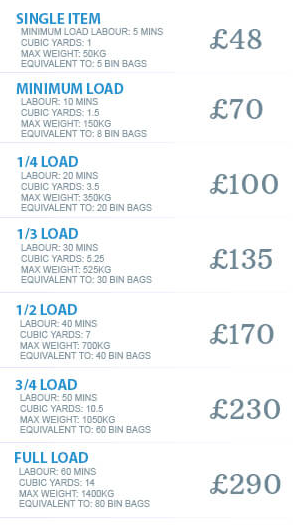
 Tipper Van - Rubbish Removal and Junk Desposal Prices in Edgware, HA8
 Luton Van - Rubbish Removal and Junk Desposal Prices in Edgware, HA8