Rubbish collection Burnt Oak and Edgware estate guide
Posted on 20/10/2026

If you live on an estate in Burnt Oak or Edgware, rubbish has a way of building up quietly. One bag becomes three, a broken chair waits in the hallway, and before long the shed, loft, or bin store is doing far too much work. This Rubbish collection Burnt Oak and Edgware estate guide is here to make the whole thing simpler. You will find how rubbish collection usually works, what to expect in estate settings, how to choose the right removal method, and how to avoid the little mistakes that make a tidy job turn into a messy one. Truth be told, most people do not need more theory. They need a clear plan.
Why Rubbish collection Burnt Oak and Edgware estate guide Matters
Estate living changes the way waste should be handled. On a typical street, a pile of rubbish is annoying. On an estate, it can block shared walkways, attract complaints, and create a real access problem for neighbours, cleaners, caretakers, or contractors. In flats and maisonettes around Burnt Oak and Edgware, space is tighter, lift access can be limited, and collection points are often shared. That means the wrong approach does not just waste time; it can inconvenience other residents too.
This matters especially where items are bulky, awkward, or mixed together. A sofa, mattress, wardrobe, or bag of old fixtures cannot always be left in the normal bin area. And if you are dealing with end-of-tenancy clear-outs, moving home, or a flat that has been left full after a long tenancy, it is easy to underestimate the scale of the job. We see this a lot in local estate settings: people think they have "just a few bits", then suddenly there is a pile in the hallway and a calendar full of apologies.
There is also the simple question of time. Estate residents often need rubbish collection that fits around work, family routines, parking restrictions, and building access rules. If the collection process is not organised well, you end up with a second round of lifting, a missed slot, or an unsightly pile waiting by the entrance. Not ideal, obviously.
For local context, Edgware is a busy part of north-west London with a mix of homes, flats, conversions, and estate-managed properties. That makes clear, coordinated waste removal especially useful. If you want a broader picture of the area, you may also find this article helpful: why Edgware might be your ideal home. It is a nice reminder that local convenience matters as much as the bigger picture.
How Rubbish collection Burnt Oak and Edgware estate guide Works
At the simplest level, rubbish collection is about removing unwanted items from a property and taking them away for sorting, reuse, recycling, or disposal. On estates, though, the process usually has a few extra moving parts. You need to think about access, loading space, the type of waste, and whether the job can be done without disrupting neighbours.
In practice, the process often looks like this:
- Identify the waste type. This could be general household rubbish, furniture, garden waste, garage contents, or builder's waste from a small renovation.
- Separate usable from non-usable items. Keeping recyclables, reusable furniture, and general waste apart makes collection smoother.
- Check estate access. Consider lifts, stairwells, parking, loading bays, and whether there are narrow paths or locked bin stores.
- Choose the right disposal method. That may be a one-off rubbish collection, a skip hire arrangement, or a more specific service such as house clearance in Edgware or furniture disposal in Edgware.
- Book a suitable time window. Early morning, mid-morning, or a quieter weekday slot can make estate collections easier.
- Load and remove safely. Items should be lifted without damaging communal areas or causing a nuisance.
That sounds straightforward, and often it is. But estates can be slightly fiddly. A flat on the third floor with no lift is a different beast from a ground-floor maisonette with easy parking. The same goes for waste types. A few black bags are not the same as a dismantled wardrobe, and a bag of garden cuttings is not the same as rubble from building works.
If you want a broader view of the range of services that can support this kind of work, it is worth looking at the services overview. It gives you a better sense of which solution fits which situation, rather than trying to force everything into one box.
Key Benefits and Practical Advantages
Good rubbish collection is not just about getting rid of clutter. It makes estate life easier in ways that are easy to miss until things go wrong.
- Less disruption for neighbours. Shared hallways stay clear and safer.
- Better use of space. Estate flats and storage areas fill up fast, so removal frees up room quickly.
- Cleaner communal areas. That means fewer smells, fewer spills, and fewer complaints.
- Reduced lifting risk. Heavy items are moved with the right equipment and technique.
- More recycling potential. Separating items properly can improve reuse and recycling outcomes.
- Faster turnaround. Useful when you are moving out, preparing a rental, or clearing after refurbishment.
There is a practical comfort in all this too. When a corridor is clear and the old sofa is gone, the whole place feels calmer. A bit like opening a window on a stuffy day. Not dramatic, just better.
For people who care about responsible disposal, the site's recycling and sustainability information is a useful reference point. It is always sensible to think about what can be reused, what can be recycled, and what genuinely needs disposal.
Another advantage is predictability. If you know who is collecting what, and when, the job does not sit in the back of your mind all week. That relief is underrated, honestly.
Who This Is For and When It Makes Sense
This kind of guide is useful for quite a wide group of people. If you live on an estate in Burnt Oak or Edgware, you may need rubbish collection for different reasons depending on your stage of life, property type, or project.
It makes sense for:
- tenants clearing a flat at the end of a lease
- homeowners removing old furniture or white goods
- landlords between tenancies
- estate agents and property managers preparing a property for photos or viewings
- families tackling a loft, garage, or storage cupboard that has become a catch-all
- small businesses operating from mixed-use or nearby premises
- residents managing garden, shed, or balcony waste
- people who simply do not want to hire a skip for a modest amount of rubbish
It is also worth saying that rubbish collection is often the better choice when access is awkward or the waste is spread across multiple rooms. If the job is too small for a skip, or too inconvenient for a standard bin day, collection can be the neat middle ground.
For properties being prepared for sale or rent, local context can matter too. If that is part of your situation, these articles may help frame the bigger picture: Edgware property market buy and sell and guide to profitable real estate in Edgware. Clean, uncluttered spaces tend to photograph better. No surprise there.
Step-by-Step Guidance
If you want to handle estate rubbish collection well, keep the process simple and ordered. A rushed start usually creates the mess later. Here is a practical way to do it.
1. Walk through the property properly
Start with a full look at what needs removing. Check cupboards, under beds, balcony corners, loft access, and shared store areas if relevant. Small items get forgotten easily. The key is to be a bit unsentimental at this stage.
2. Sort items into clear groups
Group waste into rough categories: general rubbish, furniture, recyclables, garden waste, and anything that may need special handling. If you are clearing after a tenant has moved out, keep paperwork and personal items separate from rubbish. That sounds obvious, but in the rush, it happens.
3. Measure access and loading conditions
Check stair width, lift size, parking restrictions, and whether there is a reasonable loading point. Estates can be perfectly manageable one day and awkward the next if a parked car blocks the route. You do not want to discover that with a sofa halfway through a corridor.
4. Decide between collection, skip hire, or clearance
For mixed household waste and furniture, a direct collection is often the easiest option. For building rubble or heavier renovation waste, builders waste clearance in Edgware may be more appropriate. For larger self-managed jobs, skip hire in Edgware can make sense, provided access and permits are handled properly.
5. Book around estate life, not against it
Try to avoid the times when everyone is leaving for work, school runs are happening, or the bin area is already busy. In many estates, a quieter window makes the entire process smoother. It also keeps relations with neighbours healthier. No one loves a clattering hallway at 7 a.m.
6. Prepare the items for quick loading
Bag loose rubbish, dismantle bulky furniture if safe to do so, and keep waste near the exit if that does not obstruct passage. The cleaner the prep, the faster the job. A five-minute sort can save a twenty-minute faff.
7. Confirm what happens after collection
Ask whether recyclable items will be separated, whether the waste will be taken to the appropriate facilities, and whether there are any special notes for mixed loads. This gives you peace of mind and helps you compare providers on more than price alone.
Expert Tips for Better Results
A few small habits make a big difference on estates. These are the things that tend to save time, reduce stress, and avoid awkward conversations in the lift.
- Label piles by room or category. It speeds up loading and avoids confusion.
- Keep hazardous items out of mixed loads. Paints, chemicals, batteries, and similar items need special care.
- Photograph larger items before collection. Helpful if you want a quote or need to show access constraints.
- Check floor protection. Hallways and stairs can mark easily, especially with old furniture.
- Plan for parking. In estate settings, the right parking spot can be the difference between a smooth job and a long carry.
- Use a service that explains the process clearly. If a provider cannot tell you what happens from first call to final load-out, that is a warning sign.
One of the simplest expert habits is to do a last-minute sweep of the property after the main pile is ready. You will nearly always spot one odd item that had been hiding behind a radiator or under the sink. Every time, somehow.
If you are comparing services, the company's pricing and quotes page is worth reviewing so you understand what information you may need to give upfront. Accurate quotes usually start with accurate details. Quite fair, really.
And if safety matters in your situation, especially with heavier lifting or tight communal access, the insurance and safety information is a sensible place to check. It is never glamorous, but it is the sort of detail that prevents headaches later.

Common Mistakes to Avoid
Most rubbish collection problems are preventable. The usual issues are not dramatic, just annoying. Still, annoying has a way of eating time.
- Leaving everything until the last minute. This is the classic one. Suddenly you are sorting waste at 10 p.m. with a torch phone in your mouth. Not ideal.
- Mixing general waste and special items. Batteries, chemicals, and sharp objects should not be tossed into a random pile.
- Ignoring estate rules. Shared entrances, bin stores, and access gates often have their own practical rules, even if they are not written on a big sign.
- Underestimating bulky waste. That old wardrobe may look manageable until it reaches the stairwell.
- Choosing only by price. Cheap can be fine. Cheap and unclear usually is not.
- Forgetting to protect communal areas. One scuffed wall or muddy corridor can create needless friction with neighbours or management.
A subtler mistake is not being clear about what needs removing. If you say "a bit of rubbish" and mean a full flat clear-out, nobody wins. A good provider can only plan properly if the details are honest and specific.
Tools, Resources and Recommendations
You do not need fancy equipment for most estate collections, but a few basics make life much easier.
- Heavy-duty bags for loose waste and soft items
- Sturdy gloves for handling awkward or dusty materials
- Labels or marker pens to separate categories
- Basic measuring tape if furniture needs dismantling or moving through tight spaces
- Protective sheets or cardboard for hallways and lifts if items are bulky or dirty
- Phone camera for quick item photos and access notes
From a planning point of view, it also helps to know which service suits which job. A small garage clear-out is different from a full flat clearance. A garden tidy-up is different again. If you are dealing with outdoor waste, garden waste removal in Edgware is the more natural fit, while loft clutter is usually better handled through loft clearance in Edgware.
For residents who are unsure where to start, the most useful resource is often a short conversation with a local team that understands estate access. A five-minute discussion can save an hour of guesswork. And sometimes, let's face it, you just want someone to say, "Yes, that will be fine."
Law, Compliance, Standards, or Best Practice
Waste handling in the UK should always be approached carefully. You do not need to memorise legislation to make good decisions, but you do need to follow sensible standards and avoid leaving waste where it could create a nuisance or safety issue.
Best practice usually means:
- keeping waste out of communal escape routes and shared entrances
- separating recyclable, reusable, and general waste where practical
- avoiding the mixing of hazardous items with ordinary household rubbish
- using a collection provider that can explain how waste is handled
- being mindful of estate management rules and neighbour access
If you are disposing of items from a business property or office, standards become even more important. Mixed commercial waste, confidential materials, and bulky office furniture need a more careful approach. In that case, office clearance in Edgware may be the more appropriate route.
It is also good practice to think about payment security and documentation. If you are booking a service and want to understand the practical side of that process, the page on payment and security offers useful reassurance. And for the legal and policy side of using a site, the relevant information on terms and conditions, privacy policy, cookie policy, accessibility statement, and modern slavery statement may also be useful. Not exciting reading, admittedly. But useful.
One last note: if a service says it can handle a particular waste type, make sure that is actually true for your load. Good practice beats optimistic assumptions every time.
Options, Methods, or Comparison Table
Choosing between rubbish collection, skip hire, and full clearance depends on the property, the waste type, and how much involvement you want in the process. Here is a straightforward comparison.
| Method | Best for | Strengths | Watch out for |
|---|---|---|---|
| Rubbish collection | Mixed household waste, bulky items, quick one-off jobs | Fast, convenient, minimal disruption on estates | Needs clear access and accurate item details |
| Skip hire | Ongoing DIY, renovation waste, larger self-managed clear-outs | Handy if you want time to load waste yourself | May need space, permits, and more planning |
| House clearance | Full or partial property clear-outs | Good for estates, tenancies, probate, and whole-room clears | Can be broader than you need for a small load |
| Furniture disposal | Single or multiple bulky items | Simple for sofas, beds, wardrobes, and tables | Very large mixed loads may need a wider service |
| Builders waste clearance | Rubble, plasterboard, timber, renovation debris | More suitable for heavy, dusty, awkward waste | Not ideal for ordinary household clutter |
There is no single winner for every situation. That is the honest answer. The right method depends on whether you want speed, flexibility, a full clear-out, or a lower-effort solution. If you are still weighing things up, the broader rubbish clearance in Edgware page can help you match the job to the service.

Case Study or Real-World Example
Here is a realistic estate scenario. A couple in a Burnt Oak flat had just finished moving into a larger place nearby. Their old flat had built up years of clutter: a broken desk, two chairs, a mattress, several black bags, and a small stack of garden items from the balcony. Nothing outrageous, but enough to make the hallway feel cramped. They were also on a tight schedule because the landlord wanted the place ready for inspection the next day.
Instead of trying to fit everything into a car over several trips, they sorted the load into three groups: general waste, furniture, and mixed household items. They cleared the route from the front door, moved smaller bags close to the entrance, and checked parking access the evening before. On collection day, the work was completed in a single visit. The biggest relief, they said, was not having to drag large items down the stairs themselves. That is often the real value of a collection service. Not just disposal. Relief.
A similar pattern shows up in estate properties near busy local hubs too. For example, properties around Edgware Station, High Street, or the Broadwalk area often need rubbish removed quickly between occupiers or before a viewing. If you are interested in how local movement and jobs around the area tie into waste clearance needs, these pieces give a useful local flavour: rubbish removal near Edgware Station and High Street, waste removal from Broadwalk Shopping Centre to homes, and rubbish removal on Hale Lane.
The common thread is simple: once the waste is planned properly, estate life gets easier almost immediately.
Practical Checklist
Use this checklist before booking or carrying out rubbish collection on an estate.
- Walk through every room, cupboard, and storage space
- Separate general waste, furniture, recyclables, and special items
- Check access routes, lifts, stairs, and parking
- Measure bulky furniture if it needs dismantling
- Remove personal documents and valuables first
- Protect floors and communal areas if needed
- Confirm the type of waste with the provider
- Choose a collection time that suits the estate
- Ask how reusable and recyclable items are handled
- Review pricing details before confirming
- Keep the route to the exit clear on the day
- Do a final sweep for overlooked items
If you want to make the job even easier, take photos before collection and send them with your enquiry. It sounds small, but it helps a lot. A clear picture of the load is worth a pile of guesswork.
Conclusion
Rubbish collection on Burnt Oak and Edgware estates works best when it is planned around real-life conditions: shared entrances, limited storage, neighbour access, and the simple fact that time is valuable. Once you match the waste type to the right collection method, the whole process becomes far less stressful. You do not need to overcomplicate it. Start with a proper sort, think about access, and choose a service that understands local estate layouts.
For many people, the goal is not just a cleared room. It is the feeling that the space is usable again. That small reset can make a flat feel brighter, calmer, and a bit more like home. And that matters more than people sometimes admit.
Get a free quote today and see how much you can save.
Whether you are clearing a single bulky item or dealing with a full estate flat clean-out, the right approach can save you a surprising amount of stress. One careful step at a time, and the job gets done.


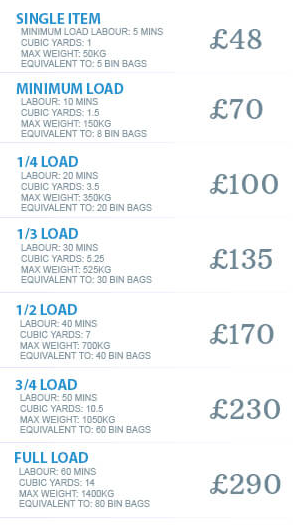
 Tipper Van - Rubbish Removal and Junk Desposal Prices in Edgware, HA8
 Luton Van - Rubbish Removal and Junk Desposal Prices in Edgware, HA8